
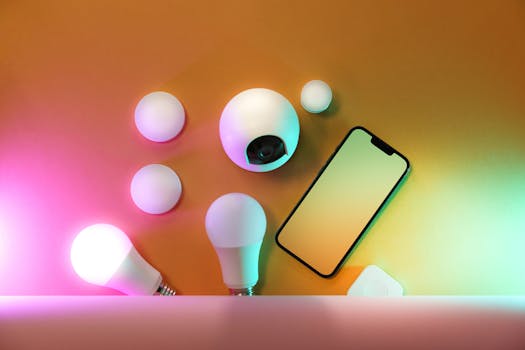
Finding extra minutes in your day rarely feels easy. Even the smallest tasks can multiply and sap your energy. That’s where a thorough smart home automation guide becomes genuinely useful.
People look for balance between convenience and efficiency, especially with home routines. The right smart choices can dramatically reshape how you live, work, and relax at home.
As you explore this article, you’ll gain clear advice on automating daily routines and maximizing your time, using a smart home automation guide that actually fits your real life.
Create Predictable Mornings with Reliable Automation Steps
Your mornings can run on autopilot with the proper settings. Setting up routines means you start each day the same way, with fewer decisions to make.
The practical power of a smart home automation guide shines when you trigger multiple actions, like adjusting lights, brewing coffee, and updating weather, with one command.
Each Device Needs Calibrated Timing
Lights that turn on five minutes before your alarm can ease you into waking. Pairing devices helps, but always tune each one to your actual habits.
Imagine your thermostat rising as your first alarm sounds. Many smart home automation guide apps let you program sequences that match what you say: “Start my morning.”
Fine-tuning these details sets expectations and reinforces routines. If devices surprise you, adjust settings using your smart home automation guide until they’re seamless.
Combine Small Actions for Big Impact
A morning routine can include opening blinds, playing news, and starting the coffee maker, all chained together. Group these controls into one routine for less hassle.
Use names like “Good morning routine” in your smart home automation guide. Test each command to ensure they run correctly before relying on them.
Extra efficiency comes from mapping actions to your exact needs, not generic advice. Swap or reorder steps until it fits your real sequence every day.
| Device | Feature | Typical Command | What to Adjust |
|---|---|---|---|
| Smart Light | Gradual Brightness | “Turn on slowly at 6:25 AM” | Set fade-in time |
| Coffee Maker | Scheduled Start | “Brew at 6:30 AM” | Adjust start time daily |
| Thermostat | Preheat Room | “Make bedroom 70°F at 6:20 AM” | Seasonal temperature |
| Smart Speaker | Daily News Flash | “Play headlines after alarm” | Select news source |
| Window Shades | Automatic Open | “Open blinds at 6:40 AM” | Link to sunrise time |
Establish Effortless Evenings: Automated Wind-Down
A smooth evening depends on smart settings that lower lights and help everyone transition to rest. Managing this is direct using any detailed smart home automation guide.
Routines in the evening can include more steps, like locking doors or setting alarms, so pick automations that mirror your own evening rhythm.
Create Consistency with Scene Settings
Assigning a “Wind Down” scene helps you prepare your home for sleep. You can dim lights, cue music, or lower blinds based on a simple command.
Arrange scenes with your smart home automation guide. Name them to match your real use case, so you’ll remember exactly when to run them.
- Trigger lights to softly dim after sunset, making it clear it’s time to relax. Use your voice assistant to set the mood instantly, hands-free, as you enter the room.
- Set temperature to gradually drop by 2–3 degrees one hour before bed to signal winding down. Comfort improves with a predictable, repeatable cue every night.
- Automatically lock the main door at a fixed time, so you never have to double-check. Your routine stays secure without thinking twice about safety.
- Activate tranquil playlist through your smart speaker as the final kitchen check ends. Hands remain free for tidying up as the evening music starts playing.
- Turn off all non-essential outlets with one tap or command before bedtime. You’ll save energy reliably with a smart plug routine that fits your household habits.
Adjust each element in your smart home automation guide to match seasonal needs and different schedule quirks. Tweak the sequence weekly for best comfort.
Anchor Evening Rituals with Smart Reminders
Adding reminders to your evening scene creates accountability. A well-built smart home automation guide can ping your phone or play an alert if you miss a step.
Set reminders to water plants, prep lunch, or charge devices as part of your wind-down. Smart notifications keep things on track before you call it a night.
- Program reminders for taking out the trash, ensuring chores don’t pile up. Let your routine handle the prompt, so your mind can relax as bedtime nears.
- Sync calendar updates with routine wind down, checking for next-day changes. Avoid surprises in the morning by reviewing tomorrow’s agenda automatically.
- Link app timers for evening screen-off, reminding household members it’s almost bedtime. Everyone’s devices dim or lock based on the daily trigger set in your guide.
- Add personalized alerts for medication, fitted to each person’s needs. These prompts help maintain health support reliably every night.
- Send a final “all clear” signal to your phone when doors are locked and alarm is set. This last check boosts your peace of mind right before sleep.
Keep these automation reminders flexible in your smart home automation guide, adding or removing as your lifestyle and responsibilities change with time.
Reduce Repetitive Tasks with Triggered Automations
Cutting repetition out of daily routines means more time for focus or relaxation. Automated triggers, set by a thorough smart home automation guide, do the repetition for you.
Smart triggers work especially well for small actions that can otherwise be easy to forget—light switches, fan timers, or daily device charging all become hands-off.
Sequence Quick Wins During Busy Hours
Link actions like “leave home” or “return home” with device triggers. Your guide can automate lights, security, and energy savings with one custom action.
Example: set a “leave home” sequence so the hallway light turns off, doors lock, and the robot vacuum starts cleaning without a second thought.
This sort of batch routine adds visible efficiency every time the schedule changes, tying smart home automation guide steps to events that naturally repeat for you.
Apply Automation to Schedule-Driven Events
If a recurring event happens—like starting work at home—set a script: “start my workday.” Let the guide adjust your lighting, desk temperature, and music instantly.
Include a reminder to stretch or change posture every hour. Use two routines: “Work focus” for lighting and “break” for soft cues, set in your guide for every workday.
You can build out more granular actions as your schedule grows complex. The best smart home automation guide will handle many layered triggers over time.
Sync Devices for Security and Energy Savings
Security and energy management stay more consistent with synchronized device settings. Your smart home automation guide helps link all your devices for unified control.
Rather than rely on separate apps, bringing controls together reduces confusion and improves real safety, while keeping bills predictable month after month.
Integrate Sensors for Smarter Safety
Window and door sensors can alert or trigger routines: lights flash if a door is opened at night, or an alert sound plays. Set these links in your guide for every entry point.
If security is paramount, add sensors for smoke, carbon monoxide, and motion. Your guide should include automatic calls or text alerts, so you’re never the last to know.
Never rely on memory alone: program time-based or sensor-based routines so alarms turn on daily, lights activate, and cameras record when nobody should be home.
Build Consistent Energy Management Rules
Energy smart plugs and smart thermostats can reduce utility costs. Set a “leave” scene in your smart home automation guide to turn every unused outlet and light off instantly.
Your utility savings will improve by automating dark or empty rooms, or automatically turning off fans and A/C during scheduled windows every day.
Track your power usage using device histories. Compare bill trends monthly and tweak automation settings in your guide to maintain cost control as habits shift.
Stay Flexible: Adapt Automation for Holidays and Guests
During unpredictable weeks or when hosting, a solid smart home automation guide lets you flex routines without breaking everything. Adjustments build confidence and comfort for everyone.
Temporary “guest mode” scenes help manage lights, privacy, and shared device access. Adjust these modes fast, then revert when guests leave—no extra stress for hosts.
Enable Pauses and Overrides for Custom Needs
Adding a “pause automation” button helps for parties, holidays, or late nights. Disable set routines with a touch, then return to normal the next day.
If schedules are different, schedule overrides become your friend. Most guides allow an “override until tomorrow” function that cancels bedtime or wake-up actions as needed.
Have a backup routine stored: if something goes wrong, reset to default with a voice command. Store a “restore original” template in your smart home automation guide just in case.
Share Device Access Thoughtfully With Guests
Grant temporary access to smart locks or cameras only for as long as guests visit. Use guest profiles in your smart home automation guide for time-limited permissions.
For short visits, set up a “guest welcome” scene: entryway lights on, thermostat comfortable. Turn off all guest automations instantly when they check out.
This keeps your home private and routines consistent, minimizing the risk of accidental changes or unauthorized access after the visit ends.
Expand Slowly: Add Automation Only Where It Benefits
Adding new automations can get overwhelming if too many appear at once. A careful smart home automation guide suggests adding one integration at a time for efficiency.
If you’re considering something new—like smart irrigation or additional smart speakers—test each feature alone, then build it into your routines once it proves useful.
Track What Works Before Scaling Up
Monitor device logs for a week after a new routine is active. If results match your expectations, build further automations layer by layer, guided by real daily use.
Document wins or mishaps in your smart home automation guide: if you see overlap or redundancy, streamline by removing or merging actions for clarity and speed.
Always revisit your routine blueprint monthly for new ideas. As your smart home grows, this reflection will keep automations genuinely helpful, not burdensome.
Keep Instructions Clear for Every Step
Write down each routine’s trigger phrase and conditions in your guide. Even if you’re the only user, this reference comes in handy any time you want to change or share.
Share these notes with housemates, so everyone is on the same page. If one person finds a step confusing, rewrite or simplify the command and try again.
Accessible instructions reduce bottlenecks and mistakes. Treat your updated smart home automation guide as a living manual, easy for anyone to reference quickly.
Rethink Your Day: Use Automation for More Than Chores
Smart routines don’t just trim chores—they add comfort and can improve how your home feels. Following a comprehensive smart home automation guide makes it easier to bring atmosphere and enjoyment into your daily space.
Try setting “welcome home” routines that play your favorite song, adjust soft lighting, and announce reminders as soon as you walk in. Personalize these small joys beyond pure utility.
Reframe Routines as Enjoyment, Not Obligation
Treating routines as rituals, not just chores, can boost mood. Your smart home automation guide helps you build custom settings for work, relaxation, and socializing.
Imagine a dinner-time scene: soft jazz, dimmed lights, kitchen timer ready. It becomes a signal for winding down or gathering with others, not simply an automated task.
Revisit your routines every season, reworking them for new priorities. Ask others in your home what would brighten their afternoons or mornings before adding automations.
Automate Learning and Wellness Moments
Set up reminders to stretch, drink water, or check in with loved ones during the day. Use your smart home automation guide to layer reminders with other useful routines.
If you want to learn a language or meditate, assign a specific cue or playlist to trigger at certain times. Embed small growth habits this way alongside chores.
These gentle automations make wellness and self-improvement a natural extension of daily life, not an afterthought. Integrate learning moments casually to boost engagement.
Bring It All Together: Achieve Lasting Results with Habits and Technology
Smart home automation guide principles let you build durable routines for mornings, evenings, chores, and peace of mind. Everyday actions become easier, freeing up your attention.
The right automations offer more than hands-free living—they enable you to focus energy where it matters. Each change means gaining back time for yourself or your family.
Continue refining your smart home automation guide, adding new routines slowly and revising old ones for best fit. Real progress comes from making technology blend into your day, not interrupt it.