
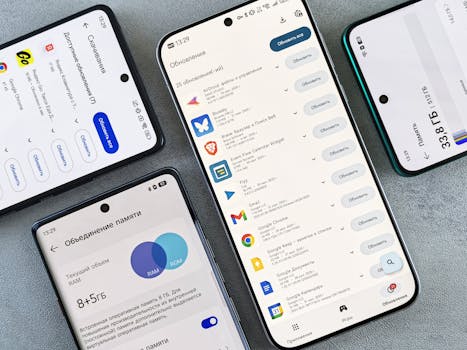
If sluggish screens and laggy apps slow you down, you’re not alone. Most devices lose speed over time, but you can absolutely take action to reclaim quick performance.
Device performance touches every part of your day, from opening email to streaming music. Learning techniques to improve device performance makes daily tech more enjoyable and productive every session.
Read on for practical methods, smart settings, and real-world tweaks. You’ll find simple actions that improve device performance on phones, laptops, and tablets starting today.
Streamlining Your Startup: Cut Delays to Speed Up Boot Time
Disabling unnecessary startup programs guarantees a smoother device launch, saving precious minutes each morning and instantly improving device performance. Just a few tweaks make the wait disappear.
Check your startup menu or task manager for background programs. Disable those you don’t use daily. Your device boots faster and improves device performance every single start.
Identifying Unneeded Startup Apps
Look for non-critical apps—music players, chat clients, or photo editors—that silently launch with your system. Turn them off for a leaner, quicker startup experience.
If you notice a program launching without you asking, highlight it and select “Disable” under your device’s startup settings. This trims startup time right away.
Ask yourself: “Do I open this app every day at login?” If the answer is no, removing it from startup will improve device performance.
Using Built-In Management Tools for Optimization
Windows Task Manager, Mac System Preferences, and Android Settings all offer simple tabs for managing startup items. These tools are direct, user-friendly, and risk-free.
Use keywords like “startup” or “autostart” in menus to find the right settings quickly. Remove clutter just as you’d clear a hallway for smoother traffic.
Once you’ve trimmed startup programs, reboot and time your device. The improvement is usually immediate, confirming how small changes improve device performance daily.
| Device Type | Startup Tool | Action Steps | Outcome |
|---|---|---|---|
| Windows PC | Task Manager | Disable apps under Startup tab | Faster boot, less lag |
| Mac | System Preferences | Remove Login Items | Quicker launch, cleaner desktop |
| Android | Settings | Manage Autostart Apps | Apps open on demand only |
| iOS | Settings | Check Background App Refresh settings | Improves battery and speed |
| Chromebook | Chrome Task Manager | Kill unnecessary extensions | Smoother browser launch |
Clearing Out Digital Clutter: Declutter for Effortless Navigation
Removing unused files and apps creates space and reduces confusion. Freeing up storage truly does improve device performance because systems work best with breathing room.
Start with your largest files—videos and outdated downloads. Deleting or moving these to cloud storage lets your device breathe, work faster, and crash less.
Sorting Files Quickly for Peace of Mind
Navigate to your Downloads or Documents folder. Sort by size. Review the top five biggest files and ask, “Do I need this anymore?”
If not, delete or transfer them to cloud storage. Notice instant visual relief and measurable increases in free space, which helps improve device performance.
- Remove duplicate photos to save storage. Try a gallery app or manual review. You’ll notice less scrolling and smoother browsing.
- Delete unused movies or music. Clearing media frees up gigabytes, making room for updates or new downloads and speeding up search results.
- Archive old work documents. Transfer files you only reference for record-keeping to cloud or an external drive for easier daily access.
- Uninstall outdated apps, especially games or utilities you don’t use. Fewer background processes means better memory for tasks you actually need.
- Sort Desktop items into folders. This cuts visual overwhelm and helps find what you need, supporting better device performance each day.
A quick file tidy-up doesn’t just spark joy—it lightens your system’s workload, opening the door to improve device performance across the board.
Culling Unneeded Apps for Maximum Speed
Head to your app manager or settings. Review all apps installed on your device. Tap “Uninstall” or “Delete” on anything you’ve ignored for weeks.
Fewer apps running in background mean more RAM and CPU left for your daily essentials. Improved responsiveness is often noticeable after this single step.
- Remove social media apps you only use on desktop. Notifications stay accessible via browser, but your phone runs cooler and uses less battery.
- Uninstall gimmick games you downloaded “just to try.” Reducing app count speeds up system updates and prevents unnecessary resource use.
- Clear redundant utilities—no one needs three flashlight apps. Simplifying toolkits ensures focus and helps improve device performance for your most-used features.
- Delete retailer or travel apps used just for a past trip. They often fetch updates and run background tasks needlessly. Leaner is better for performance.
- Remove rare language packs or old business tools. Stick with current, relevant apps for a genuinely streamlined system that responds faster to your needs.
Set a recurring reminder for monthly app and file cleanups. Regular decluttering ensures you consistently improve device performance with minimal effort.
Managing Background Activity: Keep Only Essentials Running
Suppressing resource-heavy background activity delivers immediate relief and extends battery life. Adjust settings or permissions so only the essentials eat up processing power.
Look at battery or system monitors for apps using too much CPU, memory, or battery, then restrict their background permissions to instantly improve device performance.
Identifying Active Processes with System Monitors
Open your device’s task manager or Activity Monitor. Sort by CPU or memory usage. Note unfamiliar apps running in the background—these are your performance culprits.
Highlight these unknown processes. Right-click and select “End Task” or “Force Quit.” Your device reacts with a sudden speed boost, and apps you need keep working fine.
If you notice frequent spikes in resource usage, check if certain apps or browser extensions auto-launch. Remove or disable repeat offenders to improve device performance.
Disabling Unneeded Background Permissions
Android and iOS let you disable background data or refresh permissions on a per-app basis. Navigate to App Settings, then flip the switch for rarely-used apps.
This single move frees memory and bandwidth, especially if you travel or use limited data. Less background traffic means fewer slowdowns and a device that genuinely runs smoother.
Apply the same principle on laptops. Disable or limit background processes through privacy or power settings—your battery and fans will thank you.
Keeping Software and Drivers Up-to-Date: The Upgrade Advantage
Installing the latest software updates and drivers can stop lag, fix security holes, and improve device performance. Updates address slowdowns and glitches you didn’t know could be solved.
Always check official system settings or app stores for update notifications. Updates aren’t just new features—they fix underlying bugs, boost security, and optimize overall speed.
Scheduling Regular Update Checks
Set a calendar event for “Check system updates” each week or month. Make it a habit, like brushing teeth, so you never miss a patch that could improve device performance.
If you use auto-update, double-check that devices are actually installing updates. Sometimes they pause if you’re on low battery or metered networks.
After installing updates, restart your device. This simple act ensures all new code loads correctly, making a direct difference to responsiveness and efficiency.
Troubleshooting Update Glitches When They Happen
If updates fail to install, check your device’s free space or network connection first. Clear room or connect to a stable network before retrying for best results.
If glitches persist, search your device support page for error codes. These step-by-step solutions target exactly what went wrong, letting you resume your mission to improve device performance.
Staying current with updates protects against malware and compatibility problems. It’s a no-fuss, proven way to keep devices running at their peak.
Optimizing Battery Life Through Smart Settings
Adopting a few battery-wise habits makes sure you get the most from every charge. Tweaking brightness, connectivity, and sync settings protects both speed and battery health over time.
Devices become sluggish when struggling to stretch weaker batteries. Make targeted improvements and experience firsthand how such changes can improve device performance in daily use.
Fine-Tuning Power Consumption
Lower your screen brightness until text remains comfortable. Switch off Bluetooth, location, and Wi-Fi when not in active use. Each step preserves charge and keeps processes running more smoothly.
Toggle energy saver or battery optimization modes in settings. Most systems now support one-tap toggles—enable these before travel, meetings, or commutes for longer, snappier performance.
Charge devices before battery dips below 20 percent. Just like planning snacks before hunger hits, proactive charging improves device performance and reduces frustration from abrupt slowdowns.
Protecting with Strong Security Habits
Establishing digital security keeps you in control. Eliminating malware, suspicious apps, and phishing threats prevents hidden resource drains, ensuring you improve device performance every day.
Basic security—like updating passwords and avoiding sketchy downloads—stops unwanted programs from hijacking your system for crypto mining or spam, which steals responsiveness for legitimate tasks.
- Use strong, unique passwords for each account. Password managers store them securely and autofill forms, letting you focus on tasks instead of troubleshooting.
- Enable two-factor authentication wherever possible. This blocks unauthorized access and prevents attackers from installing malicious programs on your device.
- Install trusted antivirus programs and keep definitions updated. Regular scans shield against malware that would otherwise cripple system resources.
- Download apps or updates only from official app stores. Rogue installers sneak in hidden threats. Use the official route and reduce your risk.
- Update your operating system and apps. Security patches improve device performance by closing vulnerabilities that hackers exploit.
Scheduling Regular Maintenance for Long-Term Gains
Setting up routine maintenance ensures devices work their best month after month. A little consistency can yield profound improvements—consider it preventative medicine for your tech.
Put time on your calendar for system checks. This way, you can proactively improve device performance, rather than scramble to fix frustrating slowdowns after they happen.
Establishing a Device Maintenance Routine
Every four weeks, schedule a registry or disk cleanup. Use trusted built-in tools. You’ll clear out stray files, boosting both speed and reliability.
Remind yourself to defragment hard drives (on Windows) or optimize storage (on Mac). Your goal: keep access times short and give every component room to work efficiently.
Just as people tune cars before road trips, tech works better with steady care. Following this approach helps continually improve device performance with little extra effort.
Using Automated Tools for Added Convenience
Explore built-in or third-party optimization utilities that automate cleanups, updates, and scans. Set overnight schedules so you wake to an improved device every morning.
If tools run into errors, review logs and adjust settings. Sometimes you’ll need to re-enable permissions or approve updates, but the ease of automation pays off in smoothness.
Automation mirrors delegation at work: assign routine tasks so you focus on what matters most—using your device at optimal speed without unnecessary interruptions.
Bringing It All Together for Lasting Performance
A blend of smart habits—like trimming startup programs, decluttering files, and keeping software current—guarantees you improve device performance over time without hassle.
Applying these techniques helps you sidestep slowdowns and reclaim valuable minutes daily. Each strategy stacks with the next, keeping your device, work, and entertainment activities moving fast.
Keep this guide handy and review monthly. A few simple changes can make all the difference, delivering a smoother experience and helping you improve device performance year-round.