
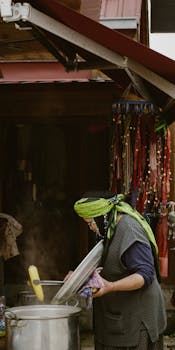
Meeting people in new places can spark instant curiosity, especially when the sights, sounds, and tastes wave you in. Each moment, a chance to build lasting memories awaits.
Cultural understanding travels beyond a simple list of attractions. Exploring how to experience local culture travel creates authentic stories that change how you see the world—and yourself.
Dive into these proven methods to transform your next journey. Discover ways to make every trip richer with connection, insight, and hands-on cultural experience from start to finish.
Choosing Immersive Activities That Bridge Authentic Connections
First, choosing hands-on experiences unlocks genuine ways to experience local culture travel. Instead of staying on the sidelines, step into activities locals love, like cooking classes or folk dancing.
Whether you knead dough in a Sicilian kitchen or mimic samba steps in Brazil, you’ll learn cultural cues quickly—by doing, not just watching. These moments create lasting impressions and friendships.
Exploring Home Dinners for Real Conversation
Enjoying a home-cooked meal with a local family isn’t just about eating—it’s about exchanging life stories across the table. Hospitality often breaks initial formality within minutes.
Use phrases like “Tell me about ingredients unique to your region,” or “What does this dish mean for your family?” Locals appreciate curiosity and graceful listening over rehearsed tourist questions.
Even if you stumble with utensils or language, sincere effort shows respect. Many hosts will respond warmly to someone eager to experience local culture travel, helping you adapt and blend in.
Joining Classes for Skills and Bonds
Signing up for art or pottery workshops means you’ll work side by side with residents. Watch how fingers fold delicate shapes, or listen as artists explain stories behind each motif.
Ask for a demonstration, then try repeating their motions. Error isn’t embarrassing when you share a laugh afterward—it’s an icebreaker and a bridge to genuine exchange.
Teachers who know you’ve traveled to experience local culture travel might invite you to community events or festivals. One small gesture can open several doors in an afternoon.
| Activity | Connection Level | Typical Duration | Best for Who |
|---|---|---|---|
| Cooking Class | High | 2-4 hours | Food lovers, social travelers |
| Art/Handicraft Workshop | Medium | 2-3 hours | Creative explorers |
| Local Sports Game | Medium | 2+ hours | Fans of teamwork and competition |
| Community Festival Visit | High | Half-day or more | People watchers, festival goers |
| Walking Heritage Tour | Low to Medium | 1-2 hours | History buffs, casual walkers |
| Home Dinner | Very High | 2-3 hours | Intimate conversation seekers |
| Dancing Class | High (Group Setting) | 1-2 hours | Energetic joiners |
| Volunteering | Very High | Varies | Community-minded adventurers |
Adopting Local Etiquette From Day One Makes Connections Smoother
Understanding basic etiquette lets any visitor experience local culture travel with less friction. When you greet others as they expect, you show care for their traditions and rhythms.
Start by observing how people behave in public spaces—notice every detail, from greetings to table manners and body language. Small shifts in your own habits speak volumes to new friends.
Practicing Politeness Across Borders
Use a respectful greeting even if you’re unsure of pronunciation. Smile, nod, or bow depending on the region—then let locals take the lead in the interaction’s next step.
Gestures that mean “thank you” or “please” change from country to country. Adopting subtle local habits can open up invitations and deeper exchanges, making every moment richer for both sides.
- Learn five key words (hello, please, thank you, sorry, goodbye) in advance to signal goodwill and eagerness to engage.
- Observe table manners discreetly before joining a meal; follow the lead of the host to show you respect their customs immediately.
- Use modest dress in temples or holy places; this prevents offense and welcomes you into important conversations afterward.
- Ask hosts about photo rules in sensitive areas before you snap pictures to avoid disrupting rituals or private moments.
- Offer small gestures of thanks, like a simple bow or handshake, to acknowledge someone’s guidance and embed yourself in a culture’s rhythm quickly.
Practicing active listening at gatherings builds real trust, setting you apart from surface-level visitors. Locals sense genuine interest and respond in kind, further fueling your ability to experience local culture travel.
Blending Into Public Spaces
Move at the same pace as those around you; for example, match your walking speed or the tone of public conversations to avoid standing out unnecessarily.
If uncertain about behavior, watch how locals queue, pay in markets, or greet each other; copy what you see to signal respect and smoothly join in community flow.
- Keep your phone silent and eyes attentive in public transport as locals value focused, quiet rides wherever they travel.
- Lower your voice in restaurants if the atmosphere is subdued, reflecting the value locals place on calm social dining.
- Join in cheers, short toasts, or blessings at tables without exaggeration; mimic local gestures to participate and keep the moment genuine.
- Avoid jumping ahead in lines, and instead, signal your intent with a nod or hand gesture, mirroring local queuing habits.
- Express gratitude with small bows, nods, or phrases as you leave a shop or home—locals notice and appreciate this sign of humility.
Careful mirroring of behaviors not only makes you welcome but also encourages invitations for deeper, more meaningful experiences with residents during your travels.
Staying in Neighborhood Inns and Family Guesthouses Boosts Daily Cultural Insight
Checking into locally-run accommodations lets you experience local culture travel outside main tourist spots. Daily routine starts with breakfast chats and often ends with neighborly street greetings.
Your hosts will typically share insider knowledge: market hours, local celebrations, or shortcuts missed by guidebooks. Even one night in a guesthouse can expand your cultural vocabulary.
Morning Rituals as Entry Points
Participate in the preparation of breakfast or join communal morning rituals. Ask your hosts about the origins of certain foods, and listen to family stories while helping set the table.
Offer to help clear dishes or sweep the courtyard. This gesture signals true involvement and friendship, making your travel experience not just brief but meaningful to everyone involved.
Hosts might surprise you with invites to neighborhood markets or festivals, widening your chance to experience local culture travel firsthand in ways formal tours never could.
Personal Conversations That Deepen Understanding
After you’ve become a familiar face around the inn, hosts tend to relax. They may share advice, recommend friends, or even offer to show you their favorite hidden spots.
Share your experiences and compare daily routines. Say, “What’s different about a morning here versus in your childhood?” Curiosity anchored in respect motivates hosts to open up.
With these deeper exchanges, you start experiencing local culture travel in a truly connected way—using your stay as a living classroom, not just a hotel room.
Expanding Your View With Each Cultural Encounter
Every attempt to experience local culture travel shapes your journey, adding depth and unique memories that surpass anything you could buy or photograph.
By joining new routines, sharing meals, or following everyday etiquette, you’ll uncover greater nuance in communities and see the world with wider perspective and deeper empathy.
Choose any step from this guide on your next trip, and let genuine curiosity lead: you’ll return home with stories worth sharing and lessons that last a lifetime.