
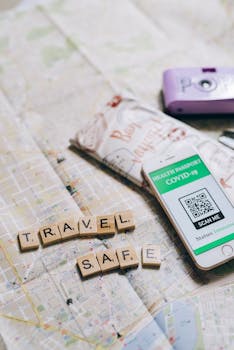
Preparing for a journey can spark excitement, but the unexpected is never far away. Knowing what travel safety tips to use can help ensure every adventure remains enjoyable and secure.
Navigating unfamiliar environments adds an extra layer of risk to new experiences. Thoughtful preparation, mindful habits, and adaptable plans transform travel challenges into memorable stories, not emergencies.
Throughout this guide, you’ll discover reliable approaches backed by proven advice. Follow along to embed confidence and practical travel safety tips into every step of your next trip.
Avoid Trouble from the Start with These Identification Rules
Keeping your identification organized and accessible makes managing checkpoints and emergencies remarkably smoother. You’ll also create fewer chances for loss or theft along the way.
Smart travelers prepare copies, memorize key numbers, and separate critical documents. These habits, paired with travel safety tips, can make a surprising difference abroad or domestically.
Backup Documents for Faster Recovery
Seasoned globetrotters scan and print spare copies of their passports, visas, and insurance cards before departure. Digital backup, such as a secure cloud folder, adds further protection.
Carrying physical copies in different bags means one theft or loss won’t leave you stranded. A photo saved securely on your phone backs up this method with instant access.
If an official questions your status, a quick backup retrieval shortens delays and lowers stress. Travelers sharing these travel safety tips often find recovery time is halved after mishaps.
Keep Essentials Separate for Fewer Setbacks
Think about splitting cash, cards, and IDs into multiple locations. Wallets, hidden pouches, and money belts each serve a purpose beyond simple convenience when traveling.
Imagine losing your main wallet; if backup essentials are stashed elsewhere, you’ll avoid total loss. This simple trick can save your entire trip from unraveling overnight.
Adopting travel safety tips like this ensures you’re never more than a bag’s reach away from a solution. Just remember to re-pack consistently at every stop.
| פָּרִיט | Primary Location | Backup Location | Action When Lost |
|---|---|---|---|
| Passport | Main travel pouch | Locked luggage | Use backup copy for consulate support |
| Credit Card | Everyday wallet | Alternate wallet/money belt | Call bank to freeze and use backup card |
| Cash | Pocket wallet | Hidden pouch/shoe | Tap into backup funds discreetly |
| Insurance Card | Main wallet | Digital photo in phone cloud | Show photo or printed copy in emergencies |
| Emergency Contact List | Day bag | Shared email/doc to family | Call when needed from alternate device |
Using Local Insights to Reduce Risk
Every destination has its nuances. Speaking to locals and asking about safe neighborhoods, trusted transport, or hidden dangers turns their experience into your roadmap.
Travel safety tips get further refined when you listen to a cab driver, a front desk agent, or shopkeeper—especially regarding what visitors should avoid after dark.
Blend In and Avoid Unwanted Attention
Dress to resemble the local crowd. Neutral colors or styles from local shops lessen the “tourist” look, making you less appealing to opportunistic scammers or thieves.
Observe how people carry bags or use their phones. Adopt similar methods, such as slinging bags across your chest or keeping tech out of sight in crowds to minimize risk.
- Choose public areas for phone use; this discourages grab-and-run theft and keeps your conversations private from prying ears or curious onlookers nearby.
- Avoid flashy jewelry or expensive devices in visible pockets, reducing the risk of standing out as a target for pickpockets or petty criminals in busy city centers.
- Practice local greetings or simple language, showing respect for customs and making interactions warmer, while lowering suspicion that you are new and inexperienced.
- Check regional clothing norms online in advance, and wear similar attire, which signals you understand and value local practices—this approach strengthens your travel safety tips approach.
- Match your walking pace and pathway choices to nearby locals, blending in naturally rather than appearing lost or overtly cautious, which can attract attention in unfamiliar places.
Adhering to these travel safety tips makes you feel less like a stranger and more like a guest welcomed by the community.
Gather Streetwise Information Quickly
Upon arrival, ask either your host or a trusted local for “Where would you avoid at night?” Simple, direct questions garner honest direction with little room for misinterpretation.
Pause for a moment to get emergency contact numbers or a map. Local police stations, embassies, and medical facilities should go on your phone and on a written card for backup.
- Save offline maps of your area; this cuts confusion when mobile data fails or language barriers arise suddenly, enabling smooth navigation through unexpected detours or street closures.
- Request business cards from hotels or local contacts to show a cab driver if lost—non-verbal aids sidestep language issues and speed up your return to safety, especially after dark.
- Use a translation app offline to quickly ask for help—choose phrases such as “Please call the police” or “Does this bus go to [place]?”; this bridges the gap during urgent moments.
- Set up a group chat with trusted people to share brief updates throughout the day, offering a digital trail in case of emergencies or big schedule changes, boosting travel safety tips.
- Identify a reliable taxi company and write down their number for evenings out or unfamiliar routes, ensuring you’re never reliant on random street cabs or unregulated rideshares.
Turning these tips into habits creates several safety nets as you explore unfamiliar locations, always strengthening your travel safety tips toolkit.
Reading Environments and Adjusting Plans Quickly
Recognizing changes in your surroundings allows for faster, safer decisions. Sharpening situational awareness delivers peace of mind and continues to uphold your established travel safety tips.
Spotting Crowd Patterns Early
Watch clusters forming or quick shifts in foot traffic, especially at transit hubs. If a gathering seems tense or movement slows, calmly cross the street or exit the area promptly.
Noticing repeated stares or body blocks from strangers can indicate a setup for theft. Changing your position or joining a group nearby often deters unwanted advances or opportunists.
Trust your gut when energy shifts unexpectedly. If you feel uneasy among unfamiliar faces, transfer to a brighter street or relocate to a different café, following your personal safety cues.
Scripting Assertive Actions
Speak up clearly if someone invades your space: “Step back, please.” Assertiveness, paired with steady eye contact and confident posture, often signals you’re not an easy mark.
Carry a confident, forward stride, especially after dark or when alone. People with deliberate movement are less likely to attract negative attention or be seen as vulnerable by onlookers.
Engage in friendly small talk with others nearby when uncertain, turning bystanders into potential allies and distractors for petty criminals. This transforms passive travel safety tips into actionable habits quickly.
Every Journey Benefits from These Proven Habits
Staying safe goes beyond locks and passwords. Well-chosen travel safety tips—backed by clear local knowledge and streetwise habits—reduce worry and boost your confidence in any destination.
By using these strategies, you’ll discover both greater freedom and fewer emergencies. Being alert, respectful, and prepared means your stories stay about discovery, not danger.
Carry these travel safety tips with you everywhere. The more skills you practice now, the more enjoyable and secure your travels become, wherever your next journey takes you.


