
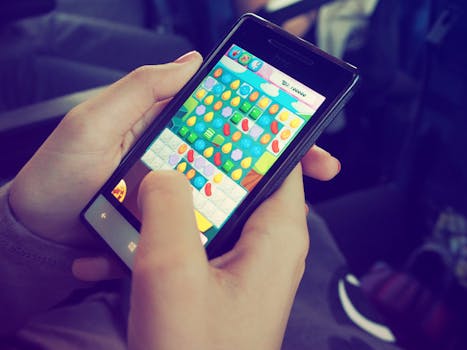
At any moment, someone is playing a quick mobile game—in line at the bank, on a lunch break, or relaxing at home. The rise of casual games daily entertainment captures this new rhythm.
Friendlier controls, shorter play sessions, and broad appeal mean these games are everywhere. That shift is reshaping how people think about downtime, turning idle moments into meaningful ones.
Dive deeper as this article reveals what drives casual games daily entertainment. Unpack concrete tips, checklists, and changes you can make today to get more out of your screen time.
Short Sessions Provide Immediate Relaxation and Focus the Mind
Short gaming bursts, compared to long playthroughs, immediately change how relaxation fits into any schedule. One example: five minutes with a puzzle game can refresh a restless mind.
This approach to casual games daily entertainment contrasts with TV’s long episodes. Users now decide when to start, pause, or stop, regaining control over their entertainment breaks.
Integrating Games Into Transition Moments Smooths Day-to-Day Flow
John pulls out a word game app during a subway delay—he taps away for five minutes, then heads to his meeting feeling energized. Try switching to casual games daily entertainment next time you wait in a line.
Even quick timers or matching games dissolve boredom and keep hands busy. Use these moments for concrete mini-challenges; check off scores, not just scroll social posts.
Puzzles offer an immediate sense of closure—finish a level, feel accomplished, and return focus to your other tasks, refreshed. That reward boosts your mood for the next to-do.
Attention-Resetting Activities Increase Productivity
Between emails, tap into a minimalist logic game. This brief activity clears your head, making it easier to switch gears and tackle a new challenge.
Reach for casual games daily entertainment instead of browsing random articles. The predictability of a repeatable game can calm racing thoughts and ready you for a focused work session.
Pick games with simple goals: score 100 points or beat a time limit. Each round closes a mental loop, so you return to your task list with a clear head.
| Game Type | Best Used When | Sample Session Time | Takeaway for Users |
|---|---|---|---|
| Puzzle | Between work periods | 3–10 minutes | Refresh focus; try a short puzzle to transition between tasks |
| Card Game | While waiting | 5–8 minutes | Relieve boredom; start a round instead of scrolling socials |
| Match-3 | Break after lunch | 2–7 minutes | Get quick bursts of achievement as midday motivation |
| Trivia | Commuting | 4–12 minutes | Boost memory with fun questions on the go |
| Idle Clicker | Winding down at night | 10–15 minutes | Relax without stress; wind down with soothing repetitive actions |
User Choices Drive Personalization and Better Day-to-Day Habits
Users customizing their casual games daily entertainment experience see more value in free moments. This begins with selecting genres that suit their unique moods or goals.
Setting boundaries and using in-app features help players balance gameplay and other activities, turning gaming into a positive daily ritual rather than a distraction.
Use Personalized Settings to Build Routine
Choose games that offer reminders to stretch, break, or change activities. These features make it easy to use casual games daily entertainment for gentle habit nudging.
- Activate session limits in one-tap game apps; this keeps you engaged but prevents overplaying, so you enjoy benefits without burnout.
- Select games with customizable goals; adjusting score or challenge targets helps you shape breaks that align with your energy or schedule.
- Add favorite games to your home screen for quick access; you waste no time, shifting directly into short, focused playtime whenever needed.
- Adjust volume or in-game notifications so games fit naturally into quiet environments like libraries or shared spaces; this fosters respectful, seamless use.
- Experiment with casual games daily entertainment recommendations within the app; trying new titles maintains novelty and fits changing moods.
Game settings offer an immediate way to build smarter digital downtime. Tailoring these creates habits you can adjust as your needs shift throughout busy weeks.
Invest in Community Features for Added Value
Joining group events or leaderboards adds a social element to your casual games daily entertainment, introducing light competition or support to daily routines.
- Look for games with team challenges; they bring structure to play time, using peer motivation to encourage consistency and progress.
- Join seasonal or daily quests offered by apps; rotating challenges keep interest high, providing fresh reasons to return without monotony or fatigue.
- Share achievements or personal bests in online groups, sparking conversation and social validation that boost motivation to keep participating.
- Participate in gifting or co-op bonuses; these features create quick, low-pressure connections with friends or strangers, building a sense of belonging.
- Set small group goals in chat-based games; agreeing on a shared target turns individual play into a collaborative achievement, reinforcing healthy limits.
Try integrating one of these community-driven features into your casual games daily entertainment and notice increased engagement that is positive and sustainable.
Accessible Design Expands Participation in Everyday Moments
Games meeting common accessibility guidelines create more chances for everyone to enjoy casual games daily entertainment. Simpler interfaces and larger text benefit players from all backgrounds and skill levels.
Universal Controls Welcome New Players
For someone new to gaming, tap-to-play puzzles offer stress-free introductions. You can onboard anyone with a one-button rule: “Just tap the red tile when it appears.”
Clear sound and color cues further support players. Flexibility in interface design—think colorblind modes or one-handed layouts—lets users act confidently and adaptively.
Progressive tutorials that guide you step-by-step, rather than all at once, keep learning light and confidence high from the first try.
Short Sessions Remove Barriers for Multitaskers
Caretakers juggling errands fit casual games daily entertainment between chores. They turn downtime into self-care, using apps with four-minute sessions designed for fractured attention spans.
Push notifications spaced appropriately prompt users only as needed. Concrete scripting—like “Take a two-minute break with a new word challenge”—empowers healthy micro-breaks.
Optional daily reminders make play sustainable, not intrusive. Including opt-out toggles ensures players never feel pressured to engage beyond their comfort zone.
Motivating Daily Challenges Keep Return Visits Interesting
Players stay interested when daily goals fit easily into their existing routines. These incentives in casual games daily entertainment lead to persistent engagement and a sense of forward motion.
Challenge tracking and streak systems let users see instant results from consistent play, even if sessions are brief or sporadic.
Streaks Reinforce Habit Formation
Visualizing progress—such as “Day 6 in a row!” banners—provides instant reward and motivation. Apps prompt players with phrasing like, “Beat your score for the third day!” to encourage streaks.
Streak resets aren’t punitive; instead, they provide a gentle nudge to restart after breaks. Integrating these with your daily planner ties play to other positive habits.
Streaks in casual games daily entertainment transform individual play into part of a broader self-improvement routine, even for users with little previous gaming experience.
Rotating Goals Increase Intrigue
Games that change objectives each day keep things novel. Examples: “Find six blue gems before sunset,” or “Finish a round without missing a move.”
Immediate feedback—like confetti bursts for goal completion—satisfies achievers and encourages experimentation with new play styles. Consider adding a new game to your rotation weekly to maintain freshness.
Rotating goals get users to revisit games they might’ve set aside, reducing boredom and fortifying the habit of fitting casual games daily entertainment into spare moments.
Micro-interactions Cultivate Social Bonds One Step at a Time
Frequent, small social touches build meaningful connections. Sharing high scores or trading digital gifts injects fun and shared achievement into everyday exchanges, reinforcing casual games daily entertainment as a group activity.
Quick-Sharing Scripts Foster Friendly Competition
Send a ten-second “Beat my record!” clip after finishing a puzzle. This script creates playful rivalry and forges bonds without the stress of real-time multiplayer matches.
Compliment friends’ progress directly in chat—”Nice, you reached level eight!”—for instant validation. Light acknowledgment builds positivity and strengthens relationships with minimal time required.
Host a mini-challenge: “Let’s see who gets the top streak this week!” Setting up recurring friendly contests injects ongoing shared focus and gives everyone a small goal to pursue together.
Co-Op Rewards Add Incentive for Collaboration
Unlock team bonuses by making daily moves as a group. Immediate feedback, such as a shared prize chest, creates joint motivation to return, even when players have little spare time.
Brief messages like, “Thanks for sending a life!” reinforce reciprocity, making all participants feel seen and appreciated. These quick touches are the engine for sustained group play.
Include friends in low-pressure tasks: “Join my puzzle group, help us finish a palace today.” Collaboration on small, achievable goals ensures everyone participates without pressure to commit long-term.
Mobile Devices Bring Casual Gaming to Every Corner of Life
Smartphones and tablets have transformed casual games daily entertainment, allowing spontaneous gaming at home, outdoors, or between errands. Devices in hand, users never lack options for quick, effective relaxation.
Instant Access Makes Gaming a Natural Go-To
Placing favorite apps on a phone’s home screen ensures fast transitions—80% of play sessions now start within 15 seconds of unlocking a device. This habit cements gaming as a top choice for breaks.
Wi-Fi and cellular networks deliver new titles and updates anywhere, erasing limits on play location. Seamless syncing means players pick up right where they left off, even across multiple devices.
Wearable technology extends the reach; for example, a notification on a watch reminds you, “Solve one new riddle now,” further streamlining casual games daily entertainment into daily rituals.
Portability Encourages Play in Surprising Places
Parents at playgrounds, commuters on buses, and students waiting for class all fit in casual rounds. The ease of carrying a device with you enables spontaneous play at almost any location.
Pocket-sized design cues—swipe-to-dismiss, shake-to-restart—support instant use at a moment’s notice, making games more approachable and less intimidating to new users.
These scenarios demonstrate why casual games daily entertainment outpaces other activities. Try swapping one social feed scroll for a five-minute brain game and experience a more fulfilling micro-break.
Casual Games Daily Entertainment: A Lasting Shift in How We Unwind
Casual games daily entertainment has found a home in daily lives by fitting into ordinary routines, not upending them. Whether during a break or a commute, it transforms ordinary downtime into lighthearted productivity.
With concrete design choices and approachable game mechanics, people now influence how they relax and refresh, creating a more active and intentional form of recreation each day.
These trends suggest the small, personal joys of gaming will remain central in shaping the way we rest and recharge—one quick session, achievement, or playful nudge at a time.


